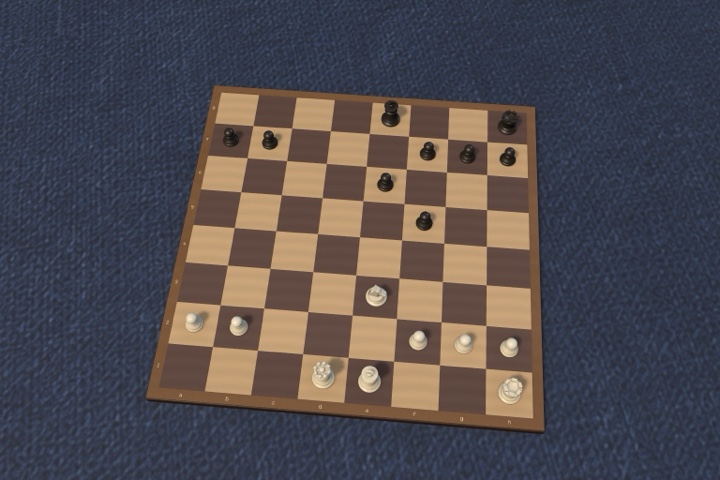
Chess Visualization Exercises to See Two Moves Ahead
Predict which pieces and squares change, then reveal the board and replay each move.
Review the games you play and find positions worth trying again.
Predict which pieces and squares change, then reveal the board and replay each move.
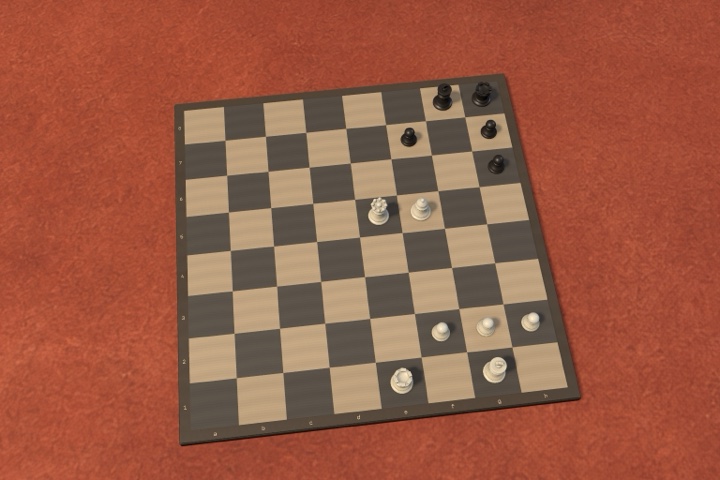
Prepare mate, add a second attacker, and cut a rook off before you promote.
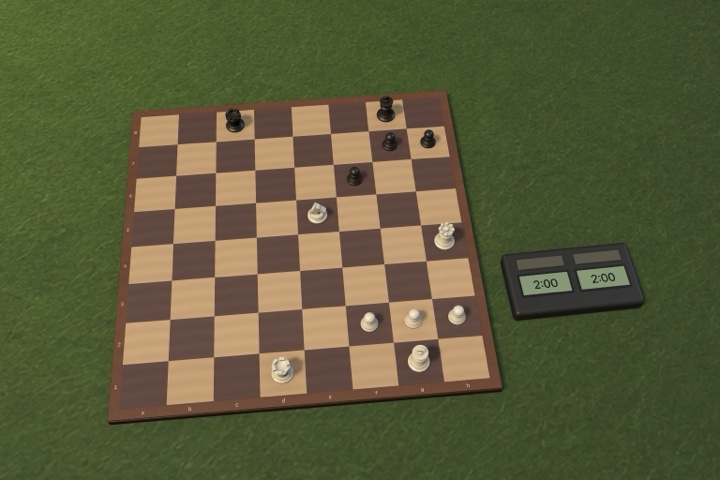
Calculate one position before moving, then replay the line and record the reply or square you missed.
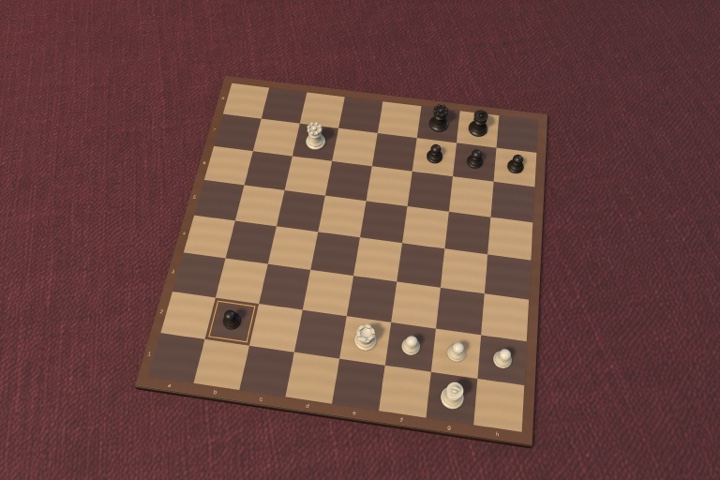
Test a tempting check, stop a promotion threat, and find a useful move in a quiet position.
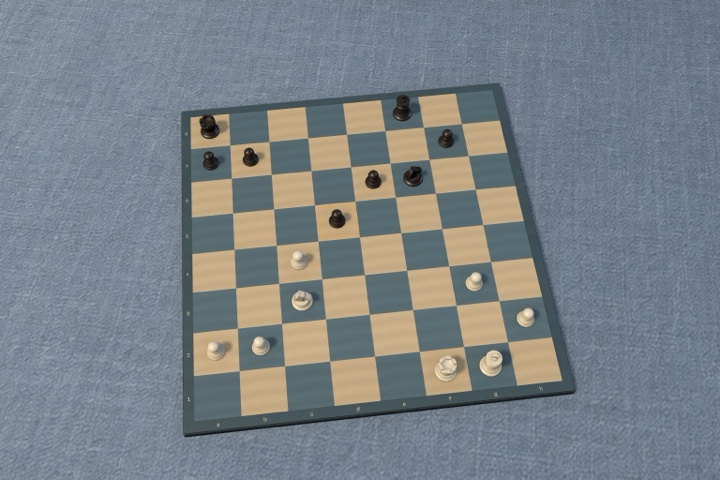
Play a pawn trade with and without a pinned defender and see when the next capture costs a piece.
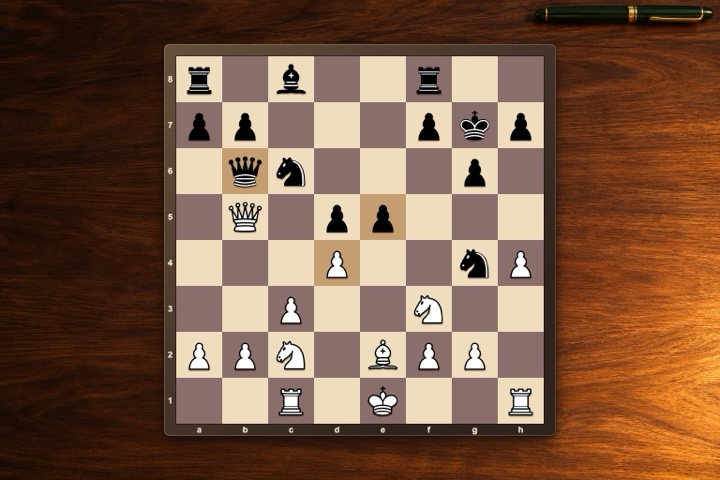
Play the expected recapture and the queen check that makes the same capture fail.
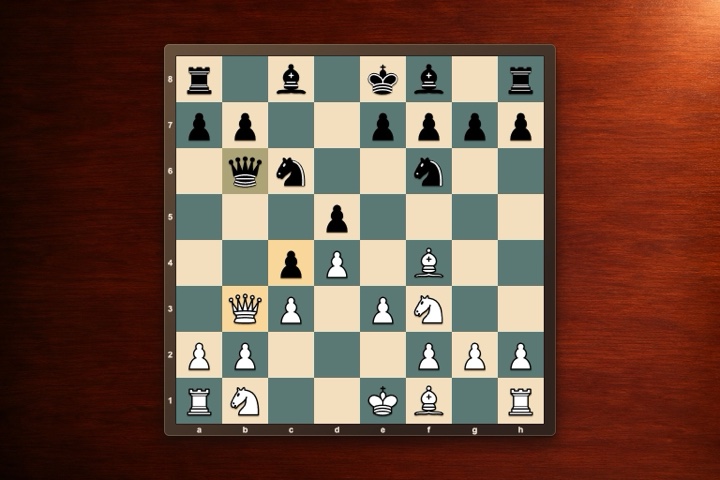
Play a queen trade and a retreat from the same position, then record the next task in each line.
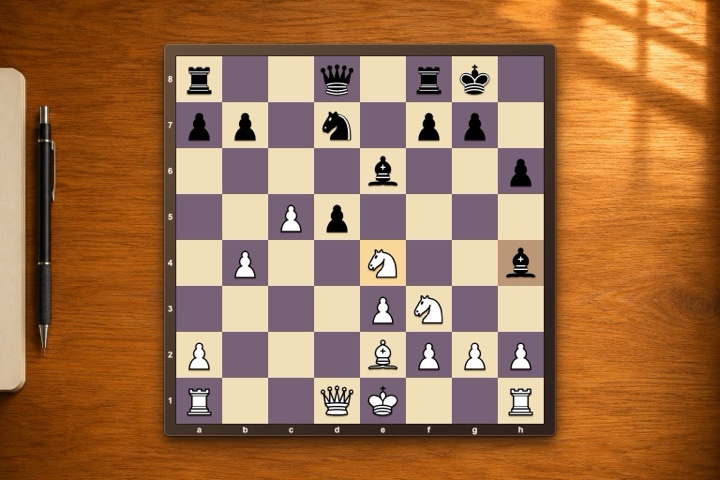
Refute a tempting fork, then play two serious replies to a quieter move.
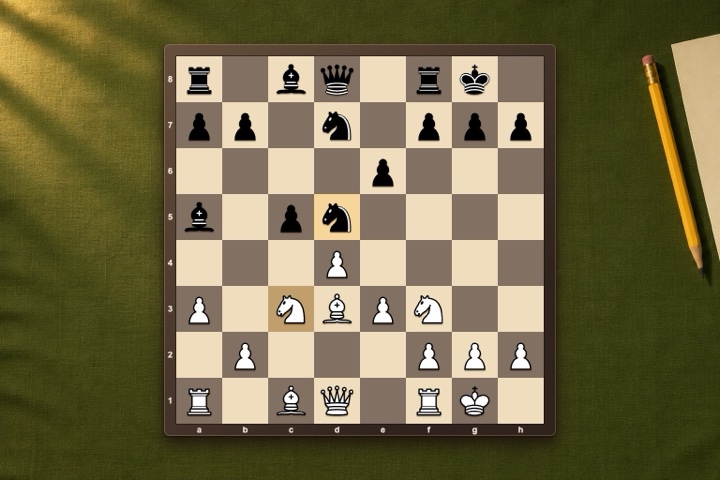
Compare forcing moves and quiet improvements on a playable board, then reuse the worksheet.
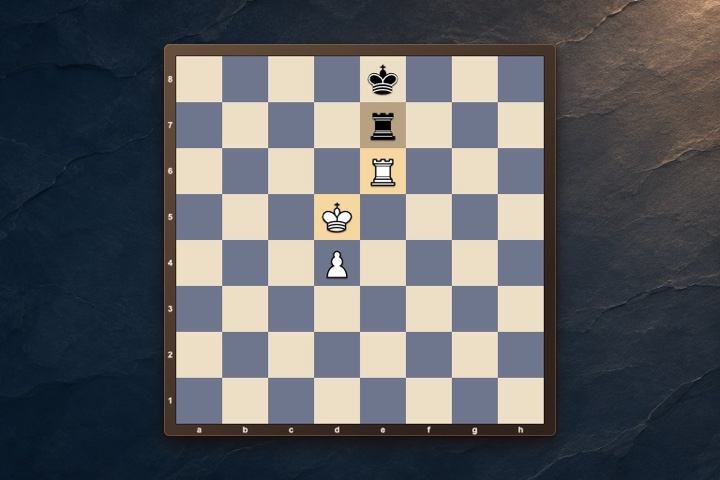
Play the same exchange twice and see why one king square turns a win into a draw.
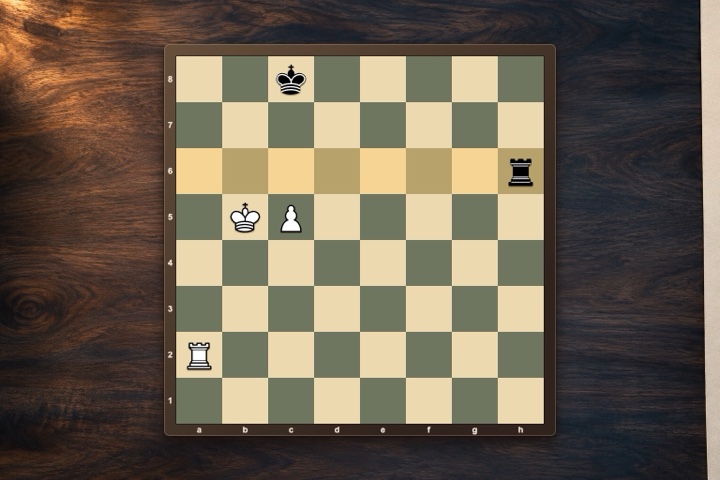
Hold the sixth rank, switch to rear checks, and see how White wins if the defender retreats too soon.
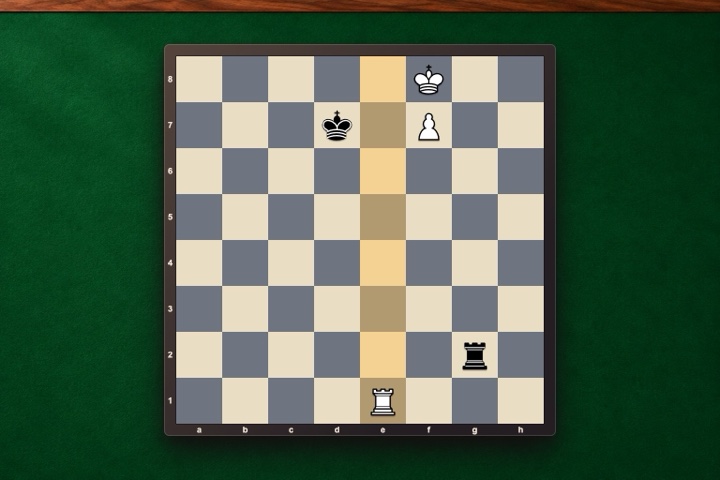
Build the rook bridge move by move and promote through two different lines of checks.
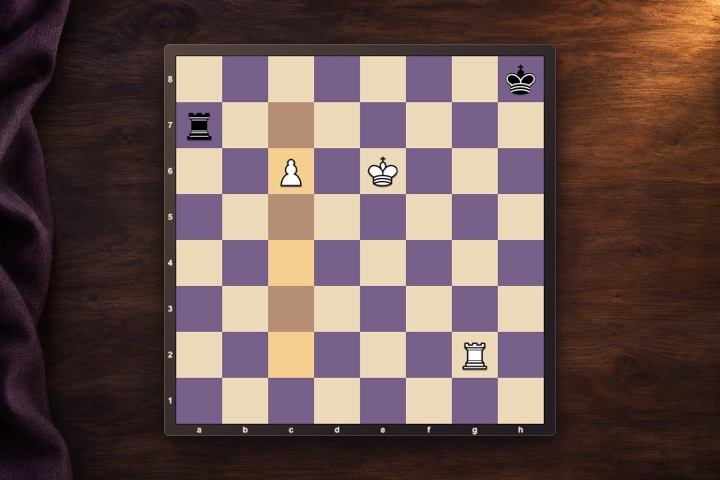
Move the rook to support your passer, then use the same idea to defend against an enemy pawn.
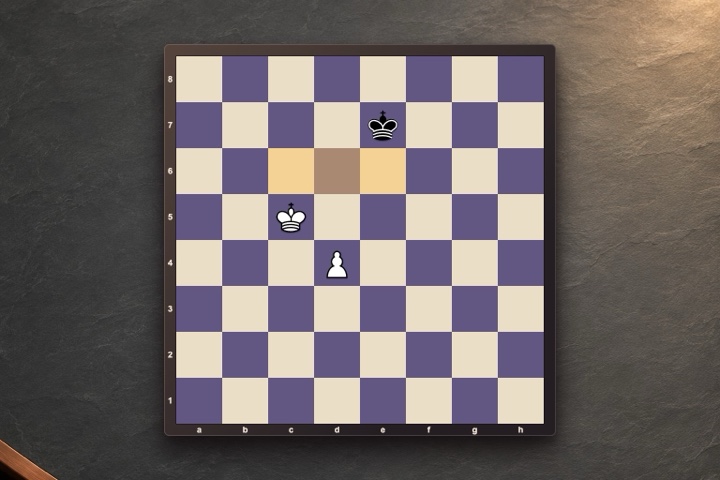
Find the king move that wins and compare pawn ranks and rook-pawn corners on five playable boards.

Play three pawn races and see how one turn, a two-square push, and a supporting king change the result.
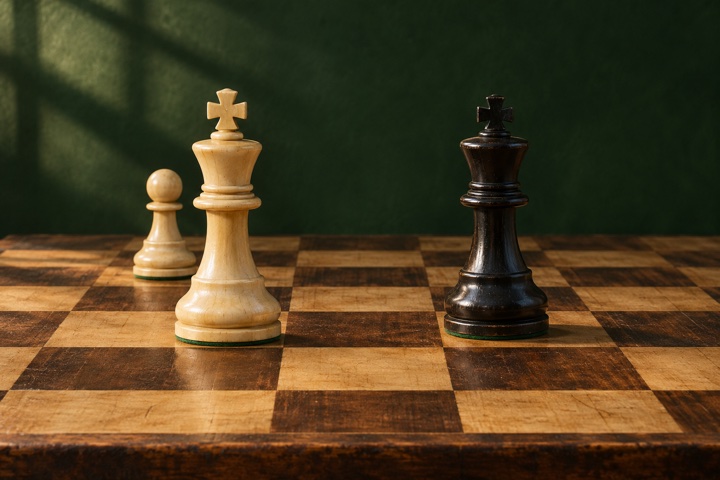
Switch whose turn it is to compare a win and a draw, then test a spare pawn move and a rook-pawn defense.
Play three endings that hinge on a spare pawn, an invisible pin, and a tempting capture.
Compare two corner positions, then play the full queen mate against precise defense.
Cut off a rank, force the king to the edge, and finish against exact defensive replies.
Find a forced repetition and learn when keeping a rook gives you practical play after a mistake.
Stop a quick mate, spot a hidden defender, and save a bishop before the exit closes.
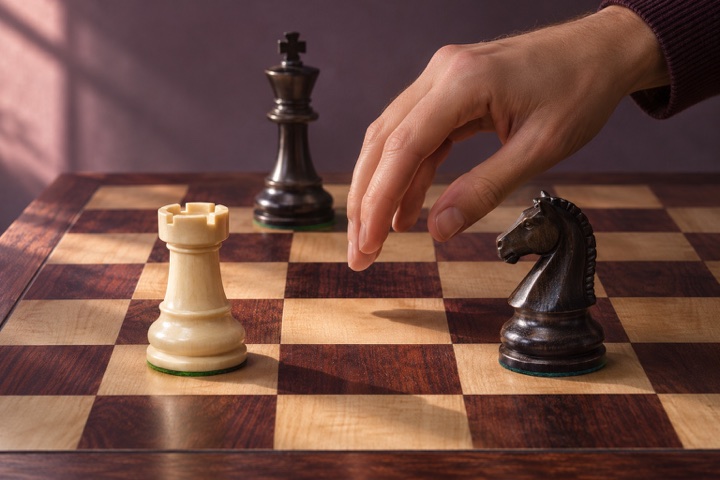
Compare a checking capture with a routine recapture, then use a quiet king move to save a pawn.
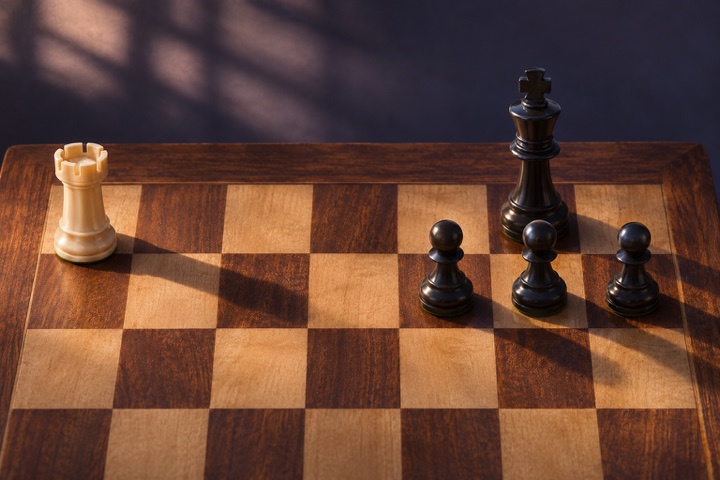
Deliver a back-rank mate, open a real flight square, and solve a position where h3 fails.
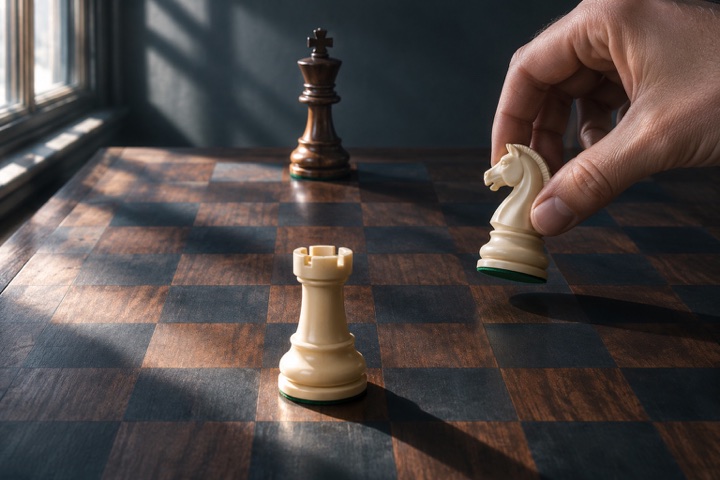
Move the same knight on two boards, then replay Réti’s double check and calculate both mates.
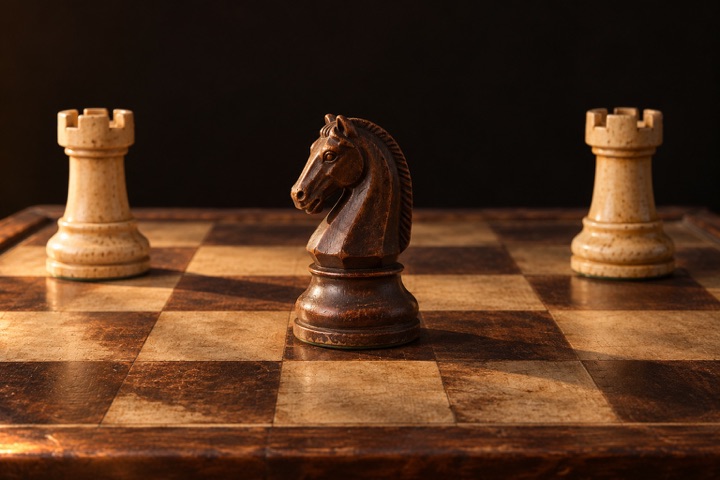
Make a defender choose between two jobs, then test a look-alike where it can still do both.
Trace a defender before and after it moves, then check what a second defender can still protect.
Swap the king and knight on two boards, then test when a knight can leave a relative pin.
Read the last move on three playable boards. Decide when you need to defend and when you can keep improving.
Play the same rook capture on two boards, then see what happens when you move your knight’s defender.
Follow a test game from the first username sync to a saved takeaway and a personal training position.
Check a real monthly archive, find games past the recent import, and replay a game that’s still queued.
Copy a journal template, tag three played games, and choose one skill to practise from the entries.
Review one king decision from a completed blitz loss and take one question to your next game.
Compare two blitz wins with almost identical accuracy scores, then play the queen pin and the queen trade.
Replay Carlsen’s mistake, the reply Anand missed, and the move that took away the tactic.
Play both sides of two decisions from Capablanca’s rook ending, write your own notes, and reveal the Stockfish check afterward.
Follow one large evaluation swing and replay the two decisions that explain it.
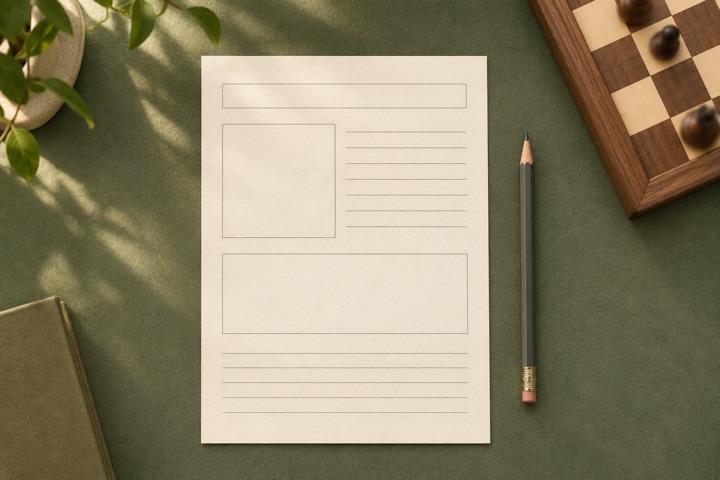
Print one page, record your original candidate, and use the filled-in game review as a model.
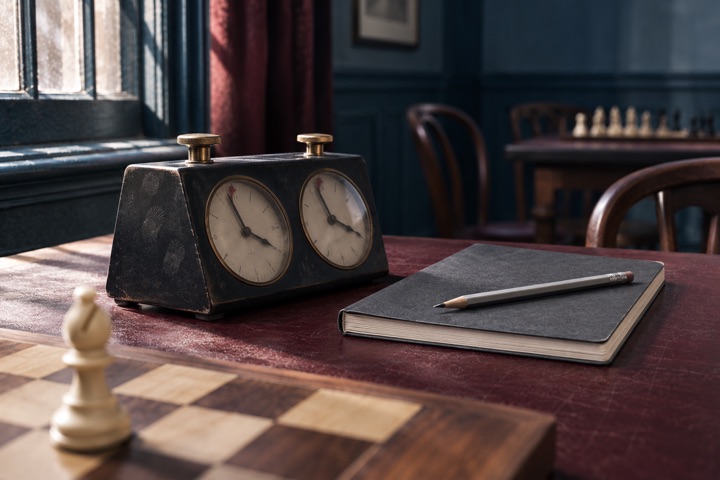
Rewind one decision, see what the clock says, and take a short practice note into your next game.
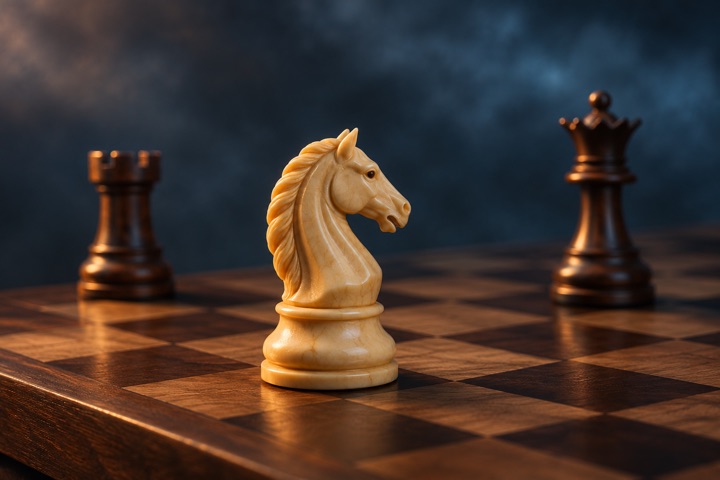
Play four positions with checking, quiet, false, and pawn forks.
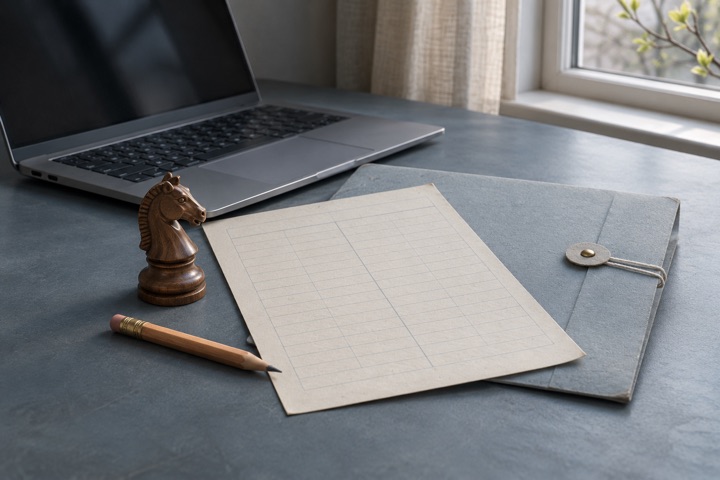
Export a completed game on web or mobile, then check the file against a replayable sample.
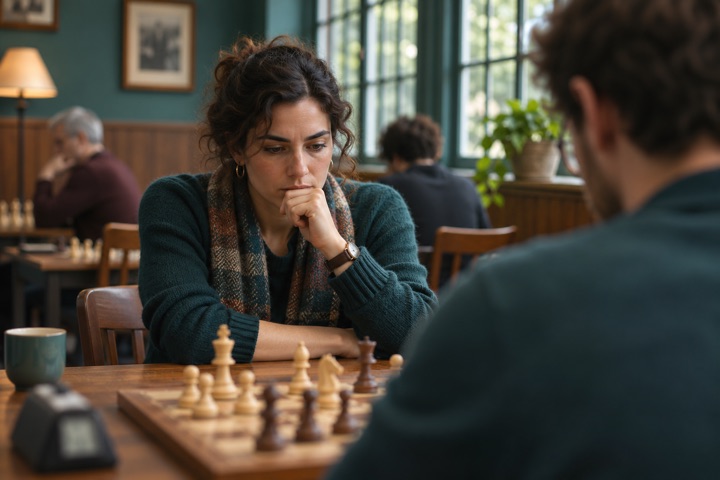
Take a four-position blind test and practise noticing the cues that puzzles usually give you.
Play three rook positions and read a winning score, a balanced evaluation, and a forced mate.
A weekly calendar, a 10-minute fallback, and a separate log for fresh positions.
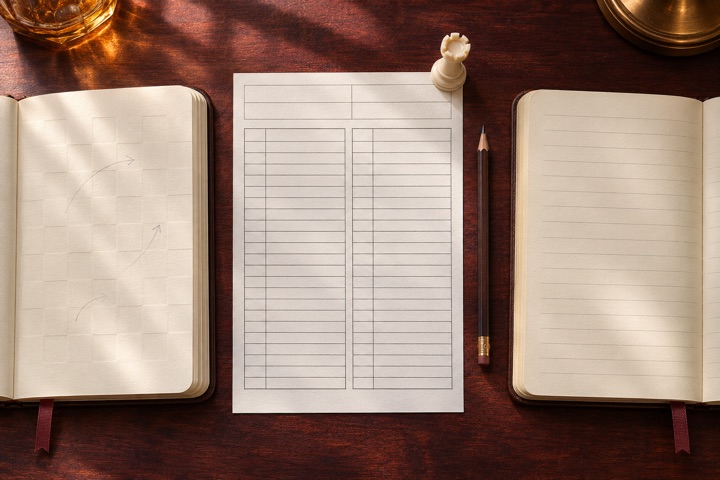
Compare three workflows using the same completed game and the same decision.
Play three checked finishing drills involving a rook, a queen, and a pawn about to promote.
Three questions before you move, with two playable boards that differ by one pawn square.

Replay a finished game, rewind one ply, and solve a two-move puzzle from it.

A five-step review with a playable example and a practice note you can reuse.